Introduction: The Moisture Challenge in Sugar-Free Formulations
Reducing or removing sugar in food products presents a significant challenge for product developers: maintaining moisture and freshness. Sugar isn’t just a sweetener – it also acts as a humectant, binding water in foods. By tying up water molecules, sugar helps prevent dryness, preserves soft texture, and inhibits microbial spoilage by lowering “free” water availability (water activity)ragus.co.ukragus.co.uk. In baked goods like cakes and cookies, higher sugar content contributes to a softer, moister crumb that stales more slowlyragus.co.uk. When sugar is removed or reduced for health reasons, products often become denser and dry out faster, leading to shorter shelf life and inferior eating qualityragus.co.uk.
Food scientists and formulators must therefore replace the functional properties of sugar, not just its sweetness. This typically involves using humectants – ingredients that attract and retain moisture – to keep sugar-free products soft and fresh. Common humectants include polyol sugar alcohols like glycerol (glycerine), sorbitol, and maltitol, as well as specialty syrup fibers and glycols. These ingredients can bind water and depress water activity, thereby extending shelf life by slowing staling and microbial growthpmc.ncbi.nlm.nih.govpmc.ncbi.nlm.nih.gov. For example, research shows that adding polyols to bread or cookies increases retained moisture during storage and reduces staling compared to sucrose-based controlspmc.ncbi.nlm.nih.govpmc.ncbi.nlm.nih.gov. In one study, bread made with 2% glycerol had higher moisture content and water activity over time than regular bread, correlating with improved softnesspmc.ncbi.nlm.nih.gov. Similarly, cookies made with xylitol (a sugar alcohol) were found to maintain their original flavor and texture for longer storage durations than those made with sugarpmc.ncbi.nlm.nih.gov. These findings highlight how humectants are critical for shelf-life extension in reduced-sugar products.
However, traditional humectants come with limitations. Sugar alcohols can impart off-tastes or a cooling effect (especially polyols like xylitol or erythritol) and may cause gastrointestinal discomfort in sensitive individuals when consumed in quantity. Some common humectants are also synthetic or not label-friendly – for instance, propylene glycol, a petroleum-derived humectant, is widely used to replace sugar’s moisture-binding function in baked goods, desserts, sauces, and even pet foodsragus.co.uk. Yet propylene glycol (PG) is also known as a key ingredient in antifreeze, and while effective, its presence on an ingredient list is increasingly unwelcome in “clean label” or natural-positioned productsragus.co.uk. Glycerol and sorbitol, though considered natural sugar alcohols, can contribute extra calories and often don’t provide any nutritive benefit beyond humectancy. In modern health-focused formulations, product developers seek alternatives that can maintain moisture without these drawbacks – ideally natural, fiber-rich, and consumer-friendly solutions that align with clean label trends.
The Role of Humectants in Shelf-Life and Texture
Humectants function by attracting water molecules (via hydrogen bonding and osmotic effects), essentially locking moisture into the food matrix. This not only keeps the product softer and prevents it from drying out, but also lowers the water activity (a_w) of the food. Water activity (a_w) is the measure of free, unbound water available for microbial growth and chemical reactions. By reducing a_w, humectants make water less available to microbes, thereby inhibiting mold and bacterial spoilagepmc.ncbi.nlm.nih.govfrontiersin.org. Most bacteria cannot grow below a_w ~0.90, and molds are inhibited below ~0.70bookstore.ksre.ksu.edu. Many baked goods like cookies and bars are naturally low in a_w (often 0.3–0.5), but as they lose moisture over time, texture deteriorates (staling) even if microbial spoilage remains in check. An ideal humectant strikes a balance: retain moisture to keep texture soft, while still keeping a_w low enough to ensure microbiological stability.
Polyols and other humectants in sugar-free foods have demonstrated this balance. Glycerol, for instance, is very effective at binding water and lowering a_w, which is why it’s commonly used in protein bars and chewy snacks to prevent them from hardening over timepmc.ncbi.nlm.nih.govpmc.ncbi.nlm.nih.gov. Sorbitol and maltitol are often added to sugar-free cookies and cakes for the same reason – these sugar alcohols are hygroscopic and help products “stay moist and retain appropriate mouthfeel during storage”pmc.ncbi.nlm.nih.gov. By depressing the freezing point of water, humectants can also improve freezer stability (e.g. preventing excessive ice crystal formation in frozen desserts, akin to sugar’s role as an antifreeze agentragus.co.uk). Overall, controlling water activity with humectants directly correlates to longer shelf life: keeping a_w in the optimal range can extend shelf stability significantly by inhibiting microbial growth and delaying modes of spoilageaqualab.com. In practice, formulators have found that effective use of humectants can extend product shelf life by 20% or more in baked goods and snacksadvancedingredients.com, and in some cases (with a robust formulation and packaging) even double or triple the shelf life of a productadvancedingredients.com. By reducing staling and spoilage, humectants also reduce product waste – some manufacturers have cut down stale returns by up to 80% after introducing advanced moisture bindersadvancedingredients.com.
Water activity management is thus a cornerstone of shelf-life extension for R&D teams. It’s important to note that simply lowering a_w with drying agents (or reducing overall water content) isn’t the solution for quality – that would make a product shelf-stable but unpleasantly dry. Instead, humectants preserve the quality of moisture: they keep water in the product (preventing drying out) but in a bound state that doesn’t support microbes. This principle is key for sugar-free and high-protein products, which often suffer from being overly dry or hard over time. A well-chosen humectant can mitigate common problems like hardened protein bars, stale gluten-free bread, or desiccated sugar-free cookies that would otherwise turn into “cardboard” long before their intended shelf life is reachedadvancedingredients.com.
Limitations of Traditional Humectants (Polyols & Glycols)
While polyol humectants (glycerol, sorbitol, maltitol, etc.) have been staples in formulation, they are not without issues:
Digestive Tolerance: Many sugar alcohols are fermented by gut bacteria or incompletely absorbed, which can lead to gas or laxative effects if a product contains high levels. For example, sorbitol and maltitol are well known to cause gastrointestinal distress above certain doses. This is a concern for nutrition bars, candies, and baked goods that might require a lot of polyol to achieve the desired shelf life. A fiber-based humectant could be gentler on the digestive system.
Taste and Sweetness Impact: Some polyols have a noticeable cooling effect (especially erythritol and xylitol) or a slight bitterness. Glycerin has a distinctive sweet-“chemical” taste when used at high levels. In products where a neutral flavor is desired (e.g. savory or subtly flavored items), these can pose challenges. Additionally, polyols contribute some sweetness but not as much as sucrose; using them may still require high-intensity sweeteners to fully replace sugar’s sweetness, complicating the flavor balance. Ideally, a humectant for sugar-free systems would be neutral in taste and allow formulators to independently optimize sweetness with dedicated sweeteners.
Labeling and Consumer Perception: There is a growing consumer preference for “clean label” ingredients – those that are natural, non-GMO, and recognizable. Polyols like sorbitol or xylitol can be labeled as such (and they do occur naturally in some fruits), but others like maltitol syrup or propylene glycol are viewed as artificial. Propylene glycol in particular, despite its functionality, is increasingly avoided. In the pet food industry, for instance, propylene glycol is effective for water activity control but has been restricted in certain applications (e.g. cat foods) due to toxicity concerns. Glycerin (glycerol) is generally accepted as a more natural alternative and is used in many “natural” pet treats and semi-moist foodsfrontiersin.org because it’s derived from plant oils, but even glycerin has drawbacks (it’s very hygroscopic and can even attract pests like grain mites in storage at high usage levelsfrontiersin.org). Thus, formulators may seek to minimize total polyol/glycol content.
Nutritional Value: Most traditional humectants are either caloric (polyols have ~2–4 kcal/gram and are not utilized as fiber) or at best non-nutritive. They don’t add any positive nutrition to a product. In contrast, a humectant that doubles as a source of dietary fiber could improve the nutritional profile of the final food – an attractive proposition for modern product development.
Given these considerations, the industry has been on the lookout for next-generation humectants that can retain moisture effectively while also checking the boxes for health, label-friendliness, and nutrition. This is where CapMoist® Sugar Free, a novel ingredient from Nexus Ingredient, offers a compelling solution.
CapMoist® Sugar Free – A Next-Generation Natural Humectant
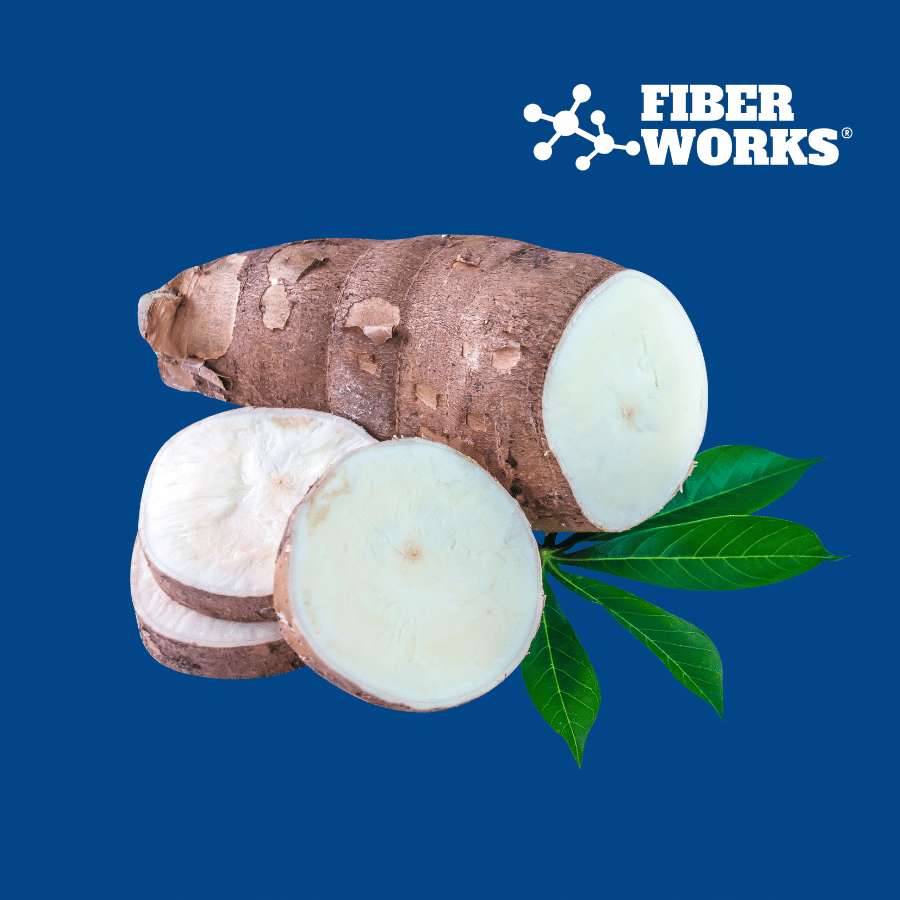
CapMoist® Sugar Free is an innovative humectant designed specifically for sugar-reduced and sugar-free formulations. Crafted from natural plant sources, it provides moisture control in a way that meets today’s clean-label and nutritional demands. CapMoist Sugar Free is derived from cassava root, a sustainable botanical source, and boasts an impressive 50% dietary fiber contentnexusingredient.com. In essence, it is a syrup/powder humectant that doubles as a soluble prebiotic fiber, offering both functional and health benefits. Key characteristics of CapMoist Sugar Free include:
High Efficacy in Moisture Binding: CapMoist’s composition allows it to bond with water molecules efficiently, reducing water activity in the food matrix without drying out the product. It creates a physical matrix that holds water tightly, so foods stay moist but not “wet.” This translates to extended freshness – manufacturers can achieve at least a 20% longer shelf life, and in many cases far more, for products prone to dryingadvancedingredients.com. By mitigating moisture loss and a_w increase over time, CapMoist helps keep products in the quality “safe zone” for longer. For example, sugar-free baked goods that would normally stale in 3 months might maintain soft texture for 6 months or more with an effective humectant strategyadvancedingredients.com.
Clean Label and Natural Origin: CapMoist is plant-derived and free of artificial additives. It contains no synthetic glycols or chemical preservatives. This makes it label-friendly (can be declared perhaps as “vegetable fiber syrup” or similar, depending on jurisdiction) and suitable for products targeting claims like natural, NON-GMO, gluten-free, vegan, and organic. (In fact, competitor products in this space are already Non-GMO Project Verified and Organic certifiedadvancedingredients.com, and CapMoist is designed with similar standards in mind.) Using CapMoist allows formulators to replace ingredients like sorbitol or PG with a consumer-friendly alternative without sacrificing functionality.
Sugar-Free, Low Glycemic Impact: As the name suggests, CapMoist Sugar Free contains negligible sugars – in technical terms, it has almost no “reducing sugars” that would register as added sugars on a nutritional label. This is crucial for keto, diabetic, or reduced-sugar products. The low sugar content also means CapMoist has a minimal effect on browning (Maillard reaction), which can be beneficial in maintaining color and flavor in products over shelf life (excessive Maillard browning during storage can lead to off-colors or flavors in high-protein, low-moisture foods). In an industry article, a comparable humectant syrup was noted to have <0.3% reducing sugars while delivering significant functional fiberadvancedingredients.com – one can expect CapMoist to offer a similarly negligible sugar contribution, making it appropriate for sugar-free labeling. Moreover, as a fiber-rich ingredient, its glycemic index is very low, meaning it won’t spike blood sugar.
Nutritional and Prebiotic Benefits: Unlike inert polyols, the dietary fiber in CapMoist can contribute to daily fiber intake. Soluble fibers such as those in CapMoist often act as prebiotics, fermentable by beneficial gut bacteria. Research on soluble fiber polymers (e.g. polydextrose, a corn-based soluble fiber) shows they have prebiotic potential, promoting beneficial gut microbes and improving bowel functionmdpi.commdpi.com. While CapMoist’s specific fiber makeup is proprietary, its cassava root origin suggests similarity to tapioca soluble fiber or resistant dextrin, which are known to support digestive health. By formulating with CapMoist, companies can improve the nutritional profile of their products – for instance, adding fiber content to a nutrition bar or bakery item, which is a marketable benefit. This aligns with consumer trends toward high-fiber, gut-health-focused foods.
Improved Sensory Profile: CapMoist is formulated to have a neutral taste profile and no cooling effect. It integrates smoothly into recipes, often enhancing the product’s mouthfeel. Humectants can actually improve perceived sweetness and flavor release by keeping the matrix moist (flavors and sweeteners are more readily sensed when some moisture is present in the mouth). In trials, products made with CapMoist Sugar Free were noted to taste slightly sweeter and more flavorful than control versions, even without adding more sweetener – likely because preventing dryness avoids the “stale” flavor dampening that comes with dried-out food. This gives formulators more flexibility: one might even reduce added sweetener a bit due to the enhanced sweetness perception in a moister product.
How does CapMoist achieve its effects? At a molecular level, CapMoist Sugar Free contains a specific ratio of macromolecules (derived from cassava and possibly fruit extracts in its original version) that create a matricial humectant system. According to Nexus Ingredient’s R&D, the sugar-free version is proprietarily formulated, likely involving ingredients such as grape juice concentrate and rice starch in the base CapMoist (for the standard version)nexusingredient.com, and a modified composition for the sugar-free version that emphasizes fiber content. This formulation enables CapMoist to hold water similarly to how certain syrups (like polydextrose or soluble corn fiber syrup) do, but with a natural twist. The high fiber means long-chain carbohydrates that have many hydroxyl (OH) groups to hydrogen bond with water, effectively “tying up” moisture. At the same time, those long chains don’t contribute sweetness or fermentable sugars, so the product remains sugar-free and stable.
CapMoist is available in various forms (likely liquid syrup and possibly powder), making it versatile for different applications. The powder form (if available) could be useful in dry mixes or bars, whereas the syrup form is ideal for baked goods, bars, and beverages. Notably, Anderson Advanced Ingredients (a competitor in this space) offers their humectant in syrup, powder, and sugar-free syrup optionsadvancedingredients.com, indicating market demand for multiple formats; Nexus’s CapMoist line similarly includes a standard (naturally sweet) humectant and this Sugar Free humectant.
Mechanism in Action: CapMoist in Gluten-Free Cookies (Case Study)
To illustrate CapMoist’s effectiveness, consider a case study on gluten-free cookies – a product category that tends to dry out quickly due to the lack of gluten network and often higher starch content. Nexus Ingredient conducted a controlled trial comparing gluten-free cookies made with CapMoist Sugar Free versus a control recipe without it. Over a 15-day ambient storage period, several key metrics were tracked:
Water Activity (a_w): Initially similar in both batches, the a_w of the CapMoist-treated cookies remained consistently lower than the control throughout storage. By Day 15, cookies with CapMoist had an a_w about 2.3% lower than the control cookies. For instance, if the control cookies’ a_w was around 0.45, the CapMoist cookies were about 0.44 – a meaningful reduction in free water. This lower a_w improves microbial safety and shelf stability, as less free moisture is available for any spoilage organisms to grow. Importantly, this was achieved without over-drying the cookies; in fact, the CapMoist batch retained more total moisture (see next point).
Moisture Loss: The cookies were weighed periodically to determine moisture loss by weight. Over 15 days, the control cookies lost about 4.0% of their initial weight as water evaporated, whereas the CapMoist-infused cookies lost only about 3.2% – roughly a 20% reduction in moisture loss. In practical terms, the CapMoist cookies held on to about 0.5 grams more water per cookie than the control by the end of the test. This clearly demonstrates CapMoist’s ability to retain moisture within the product. The treated cookies were visibly less dried-out and had a softer feel at the end of the two-week period.
Texture and Sensory Quality: A trained sensory panel evaluated the cookies after storage. The CapMoist cookies were unanimously preferred, described as softer, chewier, and more pleasant in mouthfeel, whereas the control cookies had become noticeably harder and drier by Day 15. Interesting, the panel also rated the CapMoist cookies slightly higher in perceived sweetness and flavor. This can be attributed to better moisture retention – with more water, flavors were likely more volatile/aromatic and sugar/sweeteners remained dissolved on the tongue, giving a brighter flavor. Panelists commented that the CapMoist batch “tasted fresher” and had a more “freshly baked” quality even after two weeks, compared to the control which tasted bland and stale. These sensory benefits underscore that CapMoist doesn’t just extend shelf life in a technical sense, but also preserves the eating quality that matters to consumers.
Overall, this case study showed that by binding water and lowering a_w simultaneously, CapMoist Sugar Free extended the shelf life and quality of gluten-free cookies. The treated cookies stayed within a safe, low a_w range (for microbiological stability) while remaining organoleptically moist. This dual action – lower water activity and higher retained moisture – is somewhat counterintuitive (because usually lowering a_w involves removing water or adding lots of salt/sugar). But humectants like CapMoist achieve it by locking water in a bound state. As noted in food science literature, such humectants allow products to retain moistness and soft texture during storage while inhibiting microbial growthpmc.ncbi.nlm.nih.govpmc.ncbi.nlm.nih.gov. CapMoist exemplifies this principle, effectively giving formulators a tool to “have their cake and keep it soft too.”
Applications of CapMoist® Sugar Free in Food Formulations
CapMoist Sugar Free is a broadly applicable ingredient that can benefit numerous product categories. Any food that tends to become dry, hard, or stale over time – especially when formulated with less sugar – is a candidate. Below we highlight key categories and how CapMoist can be applied:
1. Baked Goods (Breads, Cakes, Pastries)
In reduced-sugar breads and cakes, maintaining softness and preventing staling is paramount. Sugar-free or keto breads often suffer from being overly dense and dry. Incorporating CapMoist can improve the moisture retention in the crumb, leading to a softer texture that lasts days longer. Flatbreads and tortillas also benefit: these products can become brittle and crack if they lose moisture. Traditional solutions included glycerine or honey for extending tortilla shelf life; now, a fiber humectant like CapMoist can achieve the same in a label-friendly way. It helps keep tortillas flexible and soft by mitigating moisture loss and controlling water migration. As one industry example, a natural humectant powder has been used to prevent tacky dough in flatbreads (too much free water makes handling difficult) while keeping the final product pliableadvancedingredients.com. CapMoist can similarly improve dough machinability – adding it to a dough can reduce stickiness by binding extra water, which improves processing, yet that water remains available in the baked product to keep it moist. Moreover, gluten-free bread and baked goods (which tend to go stale quickly) see a significant shelf-life boost. By using CapMoist, manufacturers of gluten-free muffins, cookies, or brownies can ensure their products stay soft for weeks in packaging, not days. This opens distribution opportunities (e.g. longer distribution cycles, e-commerce shipping) that otherwise would be risky with fragile, easy-to-stale products.
2. Cookies, Biscuits, and Sweet Snacks
Cookies – especially sugar-free or high-protein cookies – are prone to becoming hard and losing their pleasant bite over time. As we saw with the gluten-free cookie case study, CapMoist excels in this application. It can be added to cookie doughs (in syrup form) to bind internal moisture. Even a low inclusion rate can make a noticeable difference after a couple of months on the shelf. CapMoist-treated cookies remain chewier and resist developing that dry, crumbly texture that often plagues “diet” or sugarless cookies. One challenge in sugar-free cookie formulation is that sugar normally contributes to spread and texture; replacing sugar can lead to cookies that are too hard or don’t spread well. CapMoist, by holding water, helps ensure the cookies have a proper spread and soft bite. It also works in biscuits, brownies, and bars – anywhere a little extra moistness can improve palatability. In fact, high-protein bars and cookies (fortified with whey, collagen, etc.) often harden because proteins can dry out or crystallize over time. Including a humectant combats this: by keeping the matrix plasticized with moisture, it prevents protein congealing and sugar crystallization, thus avoiding the dreaded “hockey puck” protein bar phenomenon. A product developer might use CapMoist Sugar Free in combination with a high-intensity sweetener to completely replace sugar in, say, a keto cookie, and still get a satisfying texture that stays fresh for months.
3. Snack and Nutrition Bars
Cereal bars, granola bars, protein bars, and meal-replacement bars can significantly benefit from CapMoist. These bars often have multiple components (grains, nuts, proteins, binders) with different water activities. Moisture migration between components can lead to bars that either dry out or in some cases get soggy in parts. A strategic use of humectant helps stabilize the moisture distribution. CapMoist can be incorporated into the binder syrup of a granola bar to keep it soft and chewy. It can also replace glycerin in protein bar formulations: many protein bar makers add ~10% glycerol to maintain chewiness, but this can make bars overly sticky and contribute extra calories. Switching to CapMoist provides the moisture retention with added fiber and less stickiness. Furthermore, CapMoist’s fiber content might improve bar consistency and tolerance (it can help bind ingredients together, acting partially as a binder). We recall that Anderson’s MoisturLOK® has been recommended as a “go-to” for companies making bars and cookiesadvancedingredients.com – the same applies to CapMoist. Bars stored in ambient conditions for several months remain more pliable and less likely to undergo texture changes when formulated with such humectants.
4. Confectionery and Sugar-Free Candies
Sugar’s role in candy is often structural and textural (crystallization control, humectancy, etc.). For sugar-free confectionery like gums, jellies, chewables, and soft candies, humectants are critical to prevent them from either hardening or drying out. CapMoist Sugar Free can be used in sugar-free gummy candies or chewable supplements to maintain their soft chew. Traditional recipes might use sorbitol or maltitol syrups for this purpose; CapMoist provides a non-sugar alternative with added fiber. Its low sweetness is actually a benefit here, because it won’t overpower flavor systems or add unwanted sugar alcohol taste. Chocolate and fudge: In some reduced-sugar chocolate or fudge applications, polyols are used to control water activity and prevent graining. While CapMoist may not directly replace all sugar alcohol functions in chocolate (since chocolate is a low-moisture system), it could be used in fillings or bars that have higher moisture (e.g. a protein chocolate bar) to help maintain softness. Icings and fillings for bakery also benefit – a sugar-free icing can include CapMoist to stay creamy and not crack.
5. Frozen and Prepared Foods
Frozen foods, when thawed or microwaved, can suffer from moisture migration issues. For example, a frozen burrito might have a tortilla that dries out or a filling that makes the crust soggy upon heating. By including humectants like CapMoist in appropriate components, moisture can be more evenly managed. Anderson Advanced Ingredients noted that their humectant syrup rescued “soggy microwaved food” scenariosadvancedingredients.com – hinting that adding it to a bakery component can absorb excess water that would otherwise migrate. In a frozen microwavable sandwich or pastry, CapMoist in the bread portion can hold water so that when heated, the bread doesn’t get too soggy or tough. Similarly, in frozen desserts (like a low-sugar ice cream or mousse), CapMoist’s freezing point depression and water-holding can improve texture (preventing ice crystal growth, much like sugar wouldragus.co.uk). Another area is sauces or ready meals: sugar often appears in sauces for both flavor and humectancy (to stabilize emulsions and prevent freezer burn). CapMoist can replace the humectant role of sugar in a savory sauce without adding sugar content.
6. Meat Products and Pet Foods
Intermediate-moisture meat products (e.g. jerky, meat snacks) and pet treats/foods rely heavily on humectants to control water activity. Many “semi-moist” pet foods use glycerin to achieve a target a_w around 0.6–0.7, which is low enough to inhibit mold but high enough to keep the product softfrontiersin.org. CapMoist Sugar Free presents an attractive alternative in this space. It can be used in natural pet treats where propylene glycol is not desired, to maintain soft texture. Because CapMoist is derived from food-grade natural sources, it would be suitable for clean-label pet products that often market “no propylene glycol” as a selling point. In human meat snacks (like an artisanal sugar-free beef jerky), using a fiber humectant can both lower a_w and potentially improve mouthfeel (preventing the jerky from becoming rock-hard). There is evidence that humectants can slow oxidation in meat by retaining moisture and thus reducing oxidative stresspmc.ncbi.nlm.nih.gov – an interesting side benefit for shelf life. CapMoist’s capability to bind water could also help uniformly distribute moisture in meat analog products (like plant-based meats) to avoid dry edges. Finally, since CapMoist is fiber-rich, in pet nutrition this could be a plus (fiber can aid digestive health in pets as well).
7. Other Niche Applications
CapMoist Sugar Free’s versatility means innovative formulators might find uses beyond the obvious. Breakfast cereals that are high-protein or low-sugar could use a light coating of CapMoist to maintain crunch without going stale (kind of like how sugar or maltodextrin coatings extend cereal shelf life). Powdered drink mixes or meal replacements could include the powdered form to help with dispersion and perhaps humidity stability. Even fruit snacks or bars that are intended to be low sugar could incorporate CapMoist to balance water and avoid drying out (some fruit leather or bars can become tough without enough humectant). CapMoist’s contribution of fiber also means it can help with texture building (fiber can act similarly to gums in some cases).
In summary, any product that requires moisture control for quality and shelf stability – especially under a sugar reduction mandate – can benefit from CapMoist Sugar Free. From bakery to confections, from bars to pet treats, it provides a natural, high-fiber way to keep foods fresh.
Strengthening Formulations and Market Position
Beyond its direct technical benefits, CapMoist Sugar Free allows brands to tell a better story about their products. Formulators can solve shelf-life and texture problems while also enhancing nutritional claims (adding fiber) and simplifying labels. In an era where “sugar reduction” is a top trend and consumers simultaneously demand “no compromise on taste or quality”, ingredients like CapMoist are key enablers. They help bridge the gap between health and indulgence – making a sugar-free cookie taste and feel as satisfying as a traditional one, or ensuring that a high-protein, low-sugar bar still has the chewy, soft bite that customers expect.
Moreover, using a unique branded ingredient such as CapMoist can differentiate a company’s product. It signals that advanced food science has been applied to create a superior eating experience. For R&D teams and contract manufacturers, working with CapMoist offers formulation flexibility. It is generally easy to incorporate (used similarly to a syrup or glycerin in the formula, with good heat stability and pH stability across typical food processing conditions). It doesn’t require a whole process overhaul – often it’s a matter of replacing glycerol or part of the sweetener system with an equivalent amount of CapMoist, then adjusting water as needed. According to Nexus Ingredient’s guidance, CapMoist can often replace sugar alcohols 1:1 in formulations on a solids basis, simplifying reformulationnexusingredient.com. This makes it a convenient swap for improving existing products or designing new ones.
From a regulatory standpoint, CapMoist’s components (cassava root fiber, etc.) are recognized food ingredients, and its high fiber content can help products meet dietary fiber labeling requirements. In markets where fiber fortification or low net carbs are selling points, this is a bonus.
Finally, consider the economic impact: Extended shelf life means reduced waste and returns. If a muffin or cookie now stays soft and sellable for 2-3 times longer, the distributor/retailer is less likely to discard old stock, improving profitability and sustainability. One manufacturer using a comparable humectant reported cutting stale product losses dramatically (by up to 80%)advancedingredients.com. Such savings quickly justify the cost of adding a specialized ingredient like CapMoist. Additionally, maintaining product quality over a longer period can expand distribution reach, allowing brands to ship products farther or stock in more outlets without fear of staling – ultimately growing sales.
Conclusion: Innovating with CapMoist® for Better, Longer-Lasting Foods
As the food industry pivots toward healthier, low-sugar products while insisting on high quality and clean labels, CapMoist® Sugar Free emerges as a timely innovation. It leverages the science of humectancy and marries it with the natural goodness of dietary fiber. The result is a multifunctional ingredient that keeps foods moist, fresh, and safe for longer, enhances sensory appeal, and even contributes nutritional value. Scientific principles and case studies back up its efficacy: CapMoist demonstrably lowers water activity and slows moisture loss in foods, leading to shelf life extensions of 20+% and significant improvements in texture and taste over time.
For food formulators and R&D teams, CapMoist Sugar Free offers a compelling way to solve multiple formulation challenges at once. It replaces less desirable humectants like polyols and glycols with a plant-based, label-friendly alternative. It helps maintain that just-baked or just-made quality throughout a product’s intended shelf life, ensuring consumers get a great experience whether they eat the product on day 2 or day 200. And it aligns with the nutritional trends of adding fiber and reducing sugars without trade-offs in quality.
In practice, adopting CapMoist can be straightforward and highly rewarding. Whether you’re reformulating a classic cookie to be sugar-free, extending the freshness of a high-protein snack, or developing the next gluten-free hit product, CapMoist is a versatile tool in the food scientist’s toolkit. It exemplifies how innovative food ingredients can provide technical solutions (like moisture control and shelf-life extension) and marketing advantages (like fiber content and clean labeling) simultaneously – a win-win for product developers and consumers alike.
References:
Bhise, S. & Kaur, A. (2014). Baking quality, sensory properties and shelf life of bread with polyols. J. Food Sci. Technol. 51(9):2054-61. (Polyols increased bread moisture content and a_w during storage)pmc.ncbi.nlm.nih.govpmc.ncbi.nlm.nih.gov.
Lenovich et al. (1988) – as cited in Bhise & Kaur 2014 – noted sorbitol, xylitol, mannitol act as humectants that depress water activity and inhibit yeast growthpmc.ncbi.nlm.nih.gov.
Eleonora et al. (2007). Sensory and microbiological quality of a baked product containing xylitol as an alternative sweetener. Int J Food Prop. 10:639–649. (Xylitol-sweetened cookies showed extended shelf stability with no flavor/texture loss)pmc.ncbi.nlm.nih.gov.
Ragus Sugars (2020). Replacing pure sugar’s functional properties – Industry article on roles of sugar and alternatives. (Details sugar’s humectant role and mentions propylene glycol as a sugar humectancy replacer)ragus.co.ukragus.co.uk.
Frontiers in Microbiology (2023). Dhakal et al., Effects of liquid smoke on mold in semi-moist pet food. (Notes on humectants controlling a_w in pet foods; glycerin vs. propylene glycol)frontiersin.org.
CapMoist® Gluten-Free Cookie Case Study – Nexus Ingredient (2023). (Internal data on CapMoist efficacy in cookies.).
Nexus Ingredient (2023). CapMoist® Sugar Free Humectant Unveiled – Press release. (CapMoist from cassava root with 50% fiber content)nexusingredient.com.
Aroean et al. (2020). Role of Dietary Nutrients in Modulating Gut Microbiota. Nutrients 12(2):381. (Polydextrose, a soluble fiber humectant, has similar effects as other fibers and prebiotic potential)mdpi.com.
Aqualab (METER Group). Water Activity in Foods – Guide. (Emphasizes controlling a_w to extend shelf life and safety)aqualab.com.