Introduction
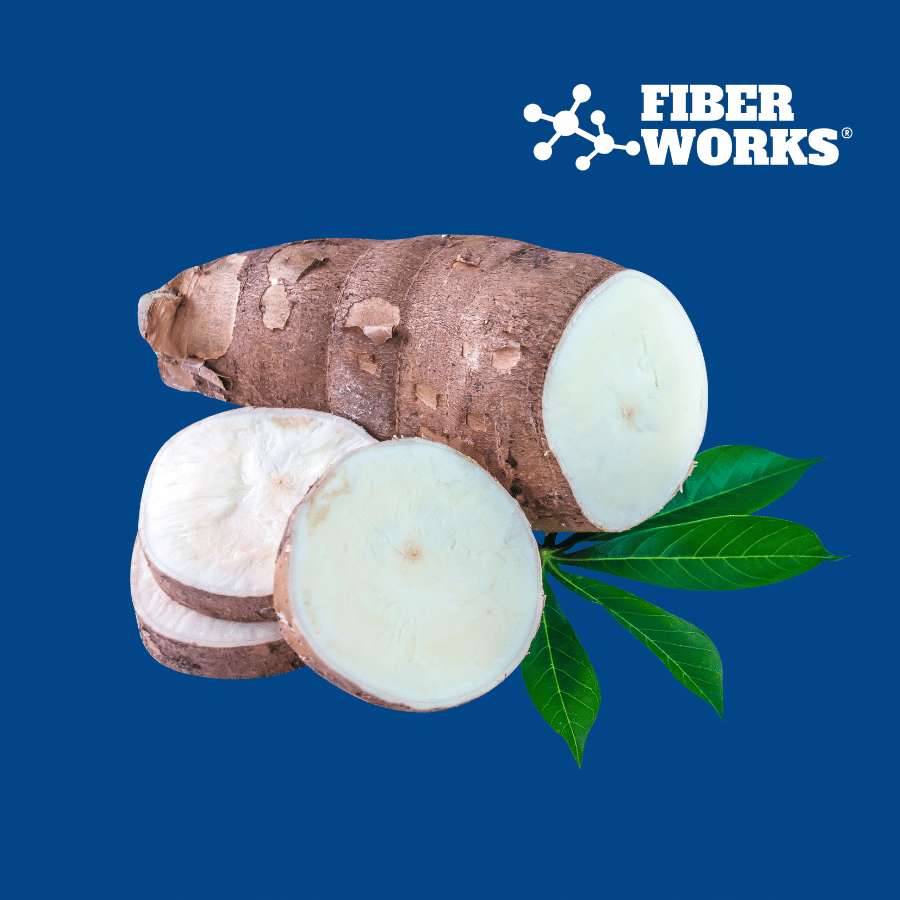
FiberWorks® is a soluble dietary fiber ingredient based on resistant dextrin, a form of indigestible starch. Derived from natural sources like non-GMO corn or tapioca starch, FiberWorks delivers over 90% dietary fiber by weight[1]. This innovative ingredient was developed to help close the “fiber gap” in modern diets – fewer than 5% of people consume the recommended fiber daily[2]. As a “true fiber” it meets the latest definitions of dietary fiber set by regulators (e.g. FDA) and is verifiably measured by AOAC analytical methods[3][4]. In essence, FiberWorks provides formulators a high-purity soluble fiber that can fortify foods and beverages without the drawbacks associated with traditional fibers.
Resistant dextrin is produced by enzymatically hydrolyzing and repolymerizing starch, creating shorter glucose polymers with unique glycosidic bonds that resist human digestion[5][6]. The result is a white, non-hygroscopic powder or syrup that is odorless and bland in taste[7]. Once consumed, FiberWorks passes through the small intestine largely intact, functioning as dietary fiber – it reaches the colon where it can confer various health benefits[8]. The following sections detail FiberWorks’ technical properties, nutritional advantages, clean-label credentials, diverse applications, formulation considerations, and regulatory status, illustrating why it is a compelling fiber solution for food scientists and product developers.
Technical Properties of FiberWorks Resistant Dextrin
To effectively incorporate FiberWorks into formulations, it is important to understand its key technical characteristics. Table 1 summarizes the core properties of FiberWorks resistant dextrin and their implications for product development.
Property | Description and Benefits |
Dietary Fiber Content | ≥90% dietary fiber (dry basis) by AOAC method[4] – extremely high fiber purity for potent fortification. |
Solubility & Clarity | Completely water-soluble; forms a nearly transparent solution[9]. Easy to blend into beverages, syrups, and dough with no visible particulates. |
Viscosity | Very low viscosity, similar to water even at high addition levels[9]. Does not thicken or gel, allowing high dosages without texture change. |
Thermal Stability | Excellent heat stability – withstands baking, pasteurization and extrusion with minimal breakdown[9]. Fiber content remains intact after cooking. |
pH Stability | Stable in low pH and high pH environments[9]. Suitable for acidic beverages (juices, sports drinks) and neutral pH foods. |
Format Availability | Available as powder or syrup (liquid). Syrup form has low water activity, aiding shelf stability in products like bars[1]. Powder is non-hygroscopic and free-flowing for easy handling[7]. |
Taste & Odor | Tasteless and odorless – no off-flavors[10]. Imparts no flavor of its own, ensuring the original taste profile of the product is preserved. |
Sweetness | Very slight inherent sweetness (~5–10% of sugar’s sweetness). Provides a pleasant but minimal sweetness profile[1], useful as a subtle sugar replacer without overpowering. |
Caloric Value | Low-calorie: ~2 kcal/gram (vs 4 kcal/g for digestible carbs)[11]. Contributes about half the calories of regular starch or sugar, supporting lighter calorie formulations. |
Digestibility | Resistant to human digestive enzymes[8] – not metabolized in the small intestine. Fermented slowly in the colon, qualifying as a prebiotic fiber. |
Table 1 – Key Technical Properties of FiberWorks Resistant Dextrin. High fiber content and functional solubility make FiberWorks easy to formulate into foods and drinks. Its stability, low viscosity, and neutral sensory profile allow fiber enrichment without compromising product quality.
In practical terms, FiberWorks behaves much like a mild, non-viscous syrup or powder that seamlessly integrates into recipes. It dissolves fully even in cold water, so manufacturers can add it to beverages or liquid mixes with ease[12]. Because it has negligible viscosity, adding FiberWorks won’t turn a drink thick or a batter gloopy – a 5% or 10% addition might be barely noticeable texturally, whereas many other fibers would significantly increase thickness. This property is particularly important for beverages and low-viscosity systems where clarity and mouthfeel are critical. FiberWorks solutions remain clear and visually clean, unlike certain insoluble fibers or gums that cause cloudiness.
FiberWorks is also highly process-tolerant. Its molecular structure (randomized glucosidic bonds) is robust against heat and acid[9]. Whether it’s baked at 200°C in an oven or held in a low pH fruit juice for months, FiberWorks resists degradation. This means products fortified with FiberWorks retain their fiber content throughout processing and shelf life. Furthermore, the syrup form’s low water activity can help extend shelf life by reducing available moisture that could otherwise lead to microbial growth or staling in products like nutrition bars[13]. The powder form, being non-hygroscopic, doesn’t readily absorb moisture from the environment, so it remains free-flowing and easy to blend during manufacturing[7].
Finally, from a handling perspective, FiberWorks is available in multiple formats to suit different production needs: as a fine powder or as a liquid syrup at various fiber concentrations (e.g. 70%, 85%, up to 90% fiber solids)[14]. This gives formulators flexibility – the powder can be dry-blended into flour mixes or powdered drink blends, while the syrup can replace liquid sugars or bind ingredients in bar production. Both formats share the same core functionality and nutritional profile, making FiberWorks adaptable to virtually any product matrix.
Nutritional Benefits and Health Implications
Beyond its formulating advantages, FiberWorks resistant dextrin offers significant nutritional and health benefits to consumers:
- High Fiber Enrichment: As an ultra-high fiber ingredient (90%+ fiber), FiberWorks is an efficient way to boost the dietary fiber content of foods and beverages[15]. Even small inclusion levels can help products attain “good source of fiber” or “excellent source of fiber” claims. This is crucial given the prevalence of fiber deficiency; adding FiberWorks can improve digestive health and overall diet quality for consumers[16]. Unlike some legacy “fiber” ingredients that didn’t truly count as fiber, FiberWorks is a certified dietary fiber that unquestionably contributes to daily fiber intake[3].
- Glycemic Control: Resistant dextrin has a low glycemic index and minimal impact on blood glucose levels[17][18]. Because it resists digestion, it does not rapidly break down into glucose. In fact, consuming FiberWorks in place of sugars or rapidly digestible carbs can attenuate post-prandial blood sugar spikes. Studies in Japan have shown that adding indigestible dextrin to a meal significantly suppressed the rise in blood glucose compared to a control[19][20]. The mechanism involves slowing carbohydrate absorption in the gut, leading to a steadier release of glucose. This makes FiberWorks ideal for formulating diabetic-friendly or low-GI foods. For instance, nutrition bars or drinks using FiberWorks in place of corn syrup have a much gentler blood sugar response, beneficial for energy management and metabolic health.
Figure 1: Effect of resistant dextrin on post-meal blood glucose. In a human trial, consuming 5g of indigestible dextrin (soluble fiber) with a carbohydrate-rich meal led to a significantly lower blood glucose rise (orange line) compared to a meal without fiber (blue line)[20]. FiberWorks can help moderate glycemic response by slowing sugar absorption.
- Prebiotic Fiber & Digestive Health: FiberWorks functions as a prebiotic, meaning it nourishes beneficial gut bacteria in the colon. While resistant dextrin is not digested by human enzymes, the gut microbiota can ferment a portion of it, producing short-chain fatty acids and supporting healthy intestinal flora[21]. Research indicates resistant dextrins can increase levels of Bifidobacteria and Lactobacillus in the gut[21], which are linked to improved digestive health. Unlike some rapidly fermented fibers (e.g. inulin) that can cause gas and bloating, FiberWorks is slowly fermentable, making it gentle on the digestive system. It is considered a low-FODMAP fiber, meaning it’s less likely to trigger gastrointestinal discomfort even in sensitive individuals[22]. Consumers can increase fiber intake with FiberWorks-enriched products without the typical side effects of high-fiber foods (excess gas or urgency), improving regularity and gut health comfortably.
- Caloric Reduction & Weight Management: Replacing caloric carbohydrates or fats with FiberWorks can help lower the calorie content of foods. At roughly 2 kcal/gram, resistant dextrin provides about half the calories of sugar or maltodextrin[11]. In product reformulations, this translates to meaningful calorie reduction, supporting development of lighter foods for weight management. Additionally, because fiber adds bulk and delays digestion, FiberWorks can enhance satiety – it helps people feel fuller for longer[23][24]. This satiety effect can potentially reduce overall caloric intake, an aid in weight control. By formulating with FiberWorks, companies can create snacks or meal replacements that keep consumers satisfied with fewer calories, all while delivering the nutritional benefits of fiber.
- Additional Health Effects: As a dietary fiber, resistant dextrin has been associated with various positive health outcomes. Regular intake of soluble fiber like FiberWorks is known to support heart health (by helping lower cholesterol levels) and improve blood sugar management[25]. Specific studies on indigestible dextrin in Japan have even noted benefits such as reduced post-meal triglyceride (fat) levels and improved mineral absorption from the diet[26][27]. While such claims must be made carefully, the overall profile of FiberWorks is that of a health-promoting ingredient. It allows food manufacturers to enhance the functional nutrition of products – for example, a beverage with FiberWorks could be marketed for digestive wellness or a baking mix for blood sugar support (pending regulatory claim approval).
In summary, FiberWorks not only helps bridge the fiber gap in diets, but does so in a way that supports better metabolic health and digestive function. It provides fiber fortification with proven physiological benefits (from glycemic moderation to prebiotic effects) and without unwanted side effects or calories. This makes it a powerful tool for developing better-for-you foods that meet consumer demands for wellness-oriented products.
Label-Friendly and Dietary-Friendly Positioning
Modern consumers and regulators scrutinize ingredient labels closely. FiberWorks resistant dextrin shines in this regard with a clean-label and allergen-friendly profile that aligns with many dietary trends:
- Clean Label: FiberWorks is derived from familiar, natural sources (corn or tapioca) and can be simply labeled as “soluble corn fiber” or “soluble tapioca fiber” on ingredient lists. It contains no artificial additives or chemical modifications, making it acceptable in clean-label formulations[28]. The ingredient is non-GMO – it is available in versions certified by the Non-GMO Project[29] – and some variants are certified organic, further bolstering its natural image. For brands looking to eliminate “chemical-sounding” additives, FiberWorks provides a fiber source that consumers perceive as wholesome and natural.
- Allergen-Free & Gluten-Free: FiberWorks does not originate from any major allergen source and is free of common allergens (no dairy, soy, nuts, etc.). It is also inherently gluten-free, since it is made from corn or tapioca starch, not wheat[30]. This makes it safe for people with celiac disease or gluten sensitivity, and suitable for use in gluten-free labeled foods. Unlike wheat bran or some grain fibers, it introduces no gluten or allergenic proteins into formulations. Food manufacturers can enrich products with FiberWorks without worrying about allergen declaration or cross-contact issues, simplifying product development for sensitive populations.
- Low-FODMAP: As mentioned, resistant dextrin is a low-FODMAP fiber, meaning it has low fermentable oligo/di/monosaccharides and polyols that trigger IBS symptoms[22]. This is an important point for formulating foods targeted at digestive wellness or the growing market of consumers following low-FODMAP diets for IBS management. Many fibers (like chicory inulin or certain prebiotics) are restricted on low-FODMAP diets due to gas/bloating effects, but FiberWorks can be used to add fiber even to low-FODMAP certified products. Its gentle gastrointestinal profile (minimal bloating or discomfort) broadens the consumer base that can enjoy FiberWorks-fortified foods.
- Keto-Friendly & Sugar-Free Diets: FiberWorks is highly relevant for keto and low-carb product development. Because it is an indigestible carbohydrate, its grams do not count toward net carbs – they are labeled as dietary fiber, which keto consumers subtract from total carbs. FiberWorks thus enables the creation of fiber-rich, very low net carb foods that align with ketogenic diet requirements. It also only contains a minute amount of intrinsic sugars (~1–2% monosaccharides)[31], and does not spike insulin or blood glucose levels[31]. Many “keto” protein bars and baked goods now use resistant dextrin as a binding syrup instead of traditional sugars or even instead of IMO syrup, since IMO (isomaltooligosaccharide) was found to impact blood sugar. In fact, FiberWorks is becoming the preferred sugar replacer in nutrition bars and snacks, chosen for its true keto-friendly nature and lack of glycemic effect. Manufacturers can confidently label FiberWorks-containing products as “No Added Sugar” and suitable for diabetic or low-carb lifestyles, while still delivering sweetness and bulk through fiber.
- General Dietary Compatibility: In addition to the above, FiberWorks fits into plant-based, vegetarian, and vegan diets (it is purely plant-derived). It has no animal-derived components and no synthetic processing aids, aligning with the ethos of plant-based food brands. It’s also kosher and halal appropriate by nature of its source (starch). All these factors make FiberWorks an inclusive ingredient that can be used in products for a wide range of dietary needs and label claims – from “high fiber” and “zero sugar” claims to clean-label or free-from promises (free from gluten, free from GMOs, etc.).
Overall, FiberWorks’ label-friendly credentials mean product developers don’t have to compromise between improving nutrition and maintaining a simple, consumer-friendly ingredient list. It delivers fiber fortification along with multiple marketable tags (non-GMO, allergen-free, keto-compatible), making it easier to position new products in the health and wellness category.
Versatile Applications in Food and Beverage Formulation
One of the major strengths of FiberWorks resistant dextrin is its versatility across a broad range of food and beverage applications. Whether the goal is to enrich fiber, replace sugar, bind ingredients, or improve texture, FiberWorks can be utilized in many product categories:
- Bakery Products: FiberWorks can be incorporated into baked goods like breads, muffins, cookies, cakes, and pastries to increase their fiber content without affecting taste or volume. In bread dough, it can boost fiber while maintaining dough machinability and rise (since it’s non-viscous and does not tie up water excessively). In sweet baked items, FiberWorks can partially replace sugar or corn syrup, helping reduce sugars while keeping products moist. It works well in gluten-free baking too[32][33] – for example, gluten-free muffins or flatbreads gain structure and softness from the moisture retention of soluble fiber. FiberWorks’ heat stability ensures it survives baking temperatures, so the finished bread or cake retains the declared fiber content.
- Snack Bars and Cereal Bars: Perhaps one of the most popular uses of FiberWorks is in nutrition bars, granola bars, protein bars, and breakfast bars. Here it often serves a dual role as a binder and sweetener replacement. The FiberWorks syrup can bind oats, nuts, and protein crisps together in a bar matrix, replacing traditional binders like corn syrup or honey[13]. This dramatically cuts down the sugar in bars while adding a significant amount of fiber. The result is a high-fiber, lower-sugar bar that still has a chewy, enjoyable texture. FiberWorks’ low water activity helps keep bars shelf-stable (preventing them from getting hard or stale) and can extend softness over time. It’s no surprise that in the U.S., resistant dextrin has become a go-to ingredient in the majority of high-fiber and keto-friendly bars[34].
- Beverages and Drinks: FiberWorks is ideal for beverage applications because it imparts no cloudiness or thickness. It can be added to juices, smoothies, meal replacement shakes, iced teas, and flavored drinks to create fiber-enriched beverages that remain clear and drinkable. For instance, a single serving of a fiber-fortified smoothie might include 5–10 grams of FiberWorks, adding significant fiber without any gritty mouthfeel or taste impact[32]. FiberWorks is also used in functional drinks like prebiotic beverages or low-GI sports drinks – since it dissolves easily, it can even be incorporated into dry beverage mixes or stick packs that consumers mix with water. Its stability in low pH means it won’t break down in acidic citrus juices or kombucha-type drinks over shelf life. Beverage formulators value how this fiber lets them deliver health benefits (satiety, digestive health) in a refreshing, light drink that consumers enjoy just like a regular juice.
- Dairy and Dairy Alternatives: In products like yogurts, dairy drinks, ice cream, and plant-based dairy alternatives, FiberWorks can boost fiber content with minimal formulation changes. For example, adding FiberWorks to yogurt or almond milk can create a high-fiber version that still has the same smooth texture (FiberWorks won’t gritty or thicken the drink)[35]. In ice cream, FiberWorks serves multiple purposes: it can replace a portion of sugar to lower the glycemic load and calorie count, act as a cryostabilizer (fiber can improve freeze-thaw stability and creaminess), and of course increase fiber content in a typically fiber-free dessert[36]. Because it’s stable in cold conditions and doesn’t crystallize, FiberWorks integrates well into frozen treats and cultured dairy without affecting texture. Even cheeses or dairy spreads can include FiberWorks for fiber fortification since it is inert and won’t disrupt fermentation or flavor.
- Confectionery and Sweets: FiberWorks allows confectionery developers to create better-for-you sweets. In gummies, candies, fruit chews, and chocolates, FiberWorks can be used to substitute bulk sugars or syrup. For example, in gummy candies it provides the bulk and chewiness that corn syrup normally would, enabling sugar reduction while adding fiber[37][38]. It has a mild sweetness that pairs well with high-intensity sweeteners for sugar-free candy formulations. In chocolate and fillings, FiberWorks can help reduce sugar and act as a humectant to maintain softness. The end result is indulgent confectionery (think high-fiber chocolates or low-sugar caramels) with improved nutrition. Importantly, FiberWorks’ low color and neutral taste ensure the candy’s flavor is unaltered and its appearance is clear (for transparent gummies, for instance).
- Savory Applications: FiberWorks is not limited to sweet products. It can be added to soups, sauces, and dressings to boost fiber content invisibly[39]. Because it is stable in hot fluids and doesn’t gel, a spoonful of FiberWorks can fortify a soup or stew recipe without changing its consistency. In sauces and condiments (ketchup, mayonnaise, pasta sauce), FiberWorks can increase fiber and also help modulate water activity, potentially extending shelf life. It can even improve texture slightly – acting almost like a lightweight bulking agent that gives a pleasing mouthfeel. Some processed meat products (like sausages or plant-based meat alternatives) can also incorporate FiberWorks to enhance juiciness and yield while adding fiber[39][40]. The fiber can bind water and fat, improving the succulence of products such as high-fiber sausages or veggie burgers.
- Powdered Supplements & Meal Replacements: FiberWorks powder is very useful in protein powders, drink mixes, vitamin supplements, and other powdered nutrition products. It can be dry-blended into formulations to provide fiber enrichment in each serving[40]. Unlike coarse bran or psyllium husk, FiberWorks will dissolve when the consumer mixes the powder into liquid, so the supplement drink isn’t gritty. This makes it excellent for meal replacement shakes or powdered smoothie mixes that aim to be all-in-one nutrition solutions – fiber can be included at meaningful levels to aid fullness and digestive health. Even in pharmaceutical or nutraceutical products like fiber capsules or sachets, resistant dextrin is used due to its mild taste and effective fiber delivery.
The above examples only scratch the surface. From breakfast cereals[41] to pasta[42] to even pet foods (where it’s added for digestive benefits in animals)[40], FiberWorks has a place. Its broad functionality – being a binder, a bulking agent, a humectant, and a nutritive fiber – means it can play multiple roles simultaneously. This multi-functionality allows product developers to achieve several formulation objectives at once (e.g. sugar reduction + fiber fortification + texture improvement) by using a single ingredient. In industries like food manufacturing where simplifying ingredient lists and inventory is valuable, an ingredient like FiberWorks that covers many bases is particularly attractive.
Formulating with FiberWorks: Boosting Fiber Without Compromise
A core promise of FiberWorks resistant dextrin is that it enables fiber fortification with minimal sensory or process trade-offs. Traditional fibers often come with formulation challenges – they might thicken the product, add grittiness, or have an off-taste. FiberWorks was specifically developed to avoid these issues, making it essentially neutral in recipes aside from the benefits it provides. Key considerations when formulating with FiberWorks include:
- Sensory Neutrality: FiberWorks is virtually invisible to the consumer’s senses. It is tasteless and odorless[43], so it won’t impart any strange flavor notes even at high usage. This is a big advantage over some plant fibers that can taste grainy or bitter. FiberWorks also has no discernible aroma. In terms of appearance, it dissolves clear and doesn’t opacify liquids or create specks in solids. For example, a clear protein drink remains clear after adding FiberWorks – the consumer won’t know it’s fiber-fortified except by reading the label. This neutrality means formulators can boost fiber without altering the beloved flavor or look of a product, be it a fruity beverage or a delicate pastry.
- Texture and Mouthfeel: Because it is completely soluble and non-gelling, FiberWorks does not introduce grittiness or a thick mouthfeel. It is explicitly described as “non-gritty”[44], which is crucial for drinkable products or smooth confections. In contrast to insoluble fibers (like bran) that can give a rough texture, resistant dextrin is fully integrated at the molecular level in the food matrix. Even in something like a high-fiber cookie, FiberWorks will not be noticed as particles – the cookie remains as crisp or soft as intended. Additionally, since FiberWorks has low viscosity, the body or thickness of the product stays the same. A juice will feel like juice, not syrup; a dough will handle similarly to a regular dough (important for machinability in processing[31]). This allows manufacturers to fortify foods without needing significant recipe adjustments to counteract texture changes. In fact, the only textural changes are often positive – FiberWorks can improve softness (by retaining moisture) and provide a slight chewiness that is pleasant in products like bars or baked goods.
- Process and Stability: Incorporating FiberWorks into production processes is generally straightforward. It can be mixed in just like you would add sugar or maltodextrin. The powder disperses readily and the syrup blends homogeneously. There is no need for high shear mixing or special equipment. Importantly, FiberWorks is stable during processing: it won’t break down or lose efficacy under typical manufacturing conditions such as pasteurization, UHT, baking, or frying[9]. It also doesn’t react with other ingredients – it’s a fairly inert carbohydrate, so it won’t interfere with flavors, leavening agents, gelling agents, or preservatives. This compatibility makes formulation trials simpler: one can usually do a direct substitution (e.g. replace X grams of sugar with FiberWorks syrup) and expect the product to come out with very similar processing behavior. And because FiberWorks has a low tendency to absorb water from the air (non-hygroscopic powder), it doesn’t cause clumping or require special storage beyond standard dry conditions.
- Use Levels and Guidelines: Effective fiber fortification can often be achieved with moderate use levels of FiberWorks. For instance, adding 5–10% FiberWorks (on a formulation dry weight basis) can transform a low-fiber food into a good source of fiber. In beverages, even a few grams per serving is enough for a label claim. There are generally no strict upper limits on usage from a safety or regulatory standpoint (resistant dextrin is safe even up to 50+ grams per day in human diets[45]), but practical limits depend on the application. Extremely high levels might result in a slight sweetness or a softer texture due to the fiber’s humectancy, so sensory testing is recommended. That said, FiberWorks has a high tolerance in formulations – it does not typically cause issues like precipitation or phase separation. Formulators have reported that FiberWorks can sometimes even improve product quality, for example by extending shelf life (through water activity control)[46] or masking off-flavors[47]. In applications with high intensity sweeteners, the slight bulking and sweetness of FiberWorks can also help create a more sugar-like mouthfeel and flavor release.
- Combining with Other Ingredients: FiberWorks plays well with other common ingredients. It can be used alongside high-intensity sweeteners (as mentioned) to replace sugar. It can co-exist with other fibers (some products use a blend of soluble fibers to achieve a particular fiber profile or texture). There is no known negative interaction between resistant dextrin and fortifying micronutrients, emulsifiers, or protein powders. If anything, its presence might aid certain formulations – for example, adding FiberWorks to a gluten-free dough can improve its machinability and cohesion due to its binding nature[31]. In frozen desserts, pairing FiberWorks with polyols or glycerin can yield an excellent sugar-free freezing point stability system. Thus, FiberWorks can be seen as a multifunctional formulation aid as well as a nutrient.
By leveraging FiberWorks, product developers can essentially “have their cake and eat it too” – they can significantly boost the fiber and nutrition of a product while keeping that product tasting, looking, and feeling as great as ever. This opens the door to innovation in categories that historically struggled with fiber fortification due to quality issues. With FiberWorks, one can create a high-fiber juice that’s crystal-clear and refreshing, a high-fiber white bread that’s soft and fluffy, or a candy that doubles as a fiber supplement – all without compromise on sensory appeal.
Regulatory Status and Labeling Guidance
When introducing any novel ingredient into foods, it’s critical to ensure it complies with regulatory standards in target markets. FiberWorks resistant dextrin comes with strong regulatory acceptance and clear guidance for labeling:
- Generally Recognized as Safe (GRAS): In the United States, resistant dextrin derived from starch is considered GRAS for use in foods, meaning experts deem it safe under intended conditions. FiberWorks specifically has an FDA-notified GRAS status as a soluble fiber ingredient. It is approved for use across a wide range of food categories, from beverages to bakery, with no specified upper limit – consistent with its excellent safety profile (no adverse effects even at high intake)[45]. Manufacturers can use FiberWorks knowing it has been vetted for safety and does not require any special regulatory approvals or warning labels.
- Dietary Fiber Definition Compliance: In 2016, the U.S. FDA updated the definition of “dietary fiber” for nutrition labeling to include only fibers with proven health benefits. In 2018, resistant maltodextrin/dextrin was officially recognized by FDA as meeting this dietary fiber definition[48]. This means that FiberWorks qualifies as dietary fiber on Nutrition Facts labels – the fiber grams can be counted and declared, which is crucial for making fiber content claims. Not all fiber-like additives meet this criterion, but resistant dextrin’s substantiated benefits (such as attenuating blood glucose and promoting laxation) led to its acceptance[48]. Food developers using FiberWorks can be confident that the fiber they add will indeed count towards the fiber total on the label (provided they have appropriate analytical confirmation). Analytical methods like AOAC 2009.01 can quantify FiberWorks’ fiber content in finished products, and FiberWorks has been validated by third-party labs (e.g. Medallion Labs) for its fiber content claims[49].
- Labeling Names and Guidance: FiberWorks will typically appear on ingredient labels under a common name. Accepted names include “Resistant Dextrin,” “Soluble Corn Fiber,” or “Soluble Tapioca Fiber,” depending on the source. The term “dextrin” or “soluble fiber” may also be used in some regions. It’s important for manufacturers to use a clear name that consumers can understand; many brands opt for “soluble corn fiber” as it intuitively conveys a natural fiber. For Nutrition Facts in the US, the fiber content from FiberWorks is added to the Dietary Fiber line (and because resistant dextrin has ~2 kcal/g, the calories contributed should be calculated accordingly). In the EU, the fiber would be included in the fibre line of the nutrition table as well. FiberWorks does not contribute to “sugars” on the label beyond its minimal intrinsic sugars, so products can still claim “low sugar” or “no added sugar” as appropriate.
- Codex and International Definitions: The Codex Alimentarius (international food code) defines dietary fiber broadly as carbohydrate polymers with ten or more monomeric units (some national authorities count DP≥3) that are not hydrolyzed by human enzymes. FiberWorks resistant dextrin clearly falls under this definition since it is a non-digestible carbohydrate polymer[8]. Globally, resistant dextrin is generally recognized as a form of dietary fiber. This harmonization means that in many countries, including those following Codex guidelines, FiberWorks can be marketed as a fiber ingredient and the fiber can be counted in nutrition claims. Always check local regulations, but as an example, Canada, Australia/New Zealand, and several Asian countries allow resistant dextrins to be labeled as dietary fiber.
- EU and EFSA Compliance: In the European Union, dietary fiber labeling is allowed for non-digestible carbs, and resistant dextrin (often called “dextrin” or “resistant maltodextrin”) is accepted on the same basis. The EU does not require a specific pre-approval for fiber ingredients as long as they meet the definition, so FiberWorks can be used freely in EU markets. One caveat: health claims in the EU (regulated by EFSA) are strictly controlled. As of now, general claims like “fiber contributes to regular laxation” are allowed, but specific claims on post-prandial blood glucose reduction might not yet be authorized for consumer-facing labels. Nonetheless, the use of FiberWorks to improve nutritional profile (e.g. increase fiber content or reduce sugars) is fully in line with EU regulations and dietary goals. FiberWorks would be listed as “soluble fiber” or “dextrin” in the ingredient list, and its fiber can help a product qualify for claims like “High Fibre” (which in EU requires >6g/100g or >3g/100kcal of fiber in the food).
- Japan and FOSHU: Japan has been a pioneer in recognizing resistant dextrin’s health benefits. Indigestible dextrin (as it’s often termed there) is an approved functional ingredient in the FOSHU (Foods for Specified Health Uses) program[50]. It is commonly added to beverages and foods in Japan that carry claims such as “helps suppress the rise of blood sugar after a meal” or “improves bowel movements.” The Japanese Consumer Affairs Agency has reviewed evidence and allows such products to be sold as FOSHU when they contain the requisite amount of indigestible dextrin[51][52]. For a company using FiberWorks in Japan, this means the ingredient is well-recognized and can even be a selling point for designated health foods. Even outside of FOSHU, resistant dextrin is widely used in Japan as a safe, effective fiber – a testament to its trusted status.
- Safety and Tolerability: From a regulatory perspective, FiberWorks’ safety is backed by substantial data. Regulatory bodies acknowledge that resistant dextrin causes no significant adverse effects even at high intake. The FDA has noted it as a fiber with no necessity for a daily intake limit, and Japan’s authorities similarly recognize its safety[45]. It’s non-allergenic and has no known anti-nutrient issues (in fact, it can enhance mineral absorption rather than hinder it[53]). For product developers, this means FiberWorks can be incorporated without raising safety concerns or requiring special labeling (no warnings about excessive consumption, unlike polyols which need laxation warnings at high levels). Of course, as with any fiber, extremely large acute doses might have a laxative effect in some individuals, but the tolerance level for resistant dextrin is quite high (typically, up to 20-30g per serving can be well-tolerated for most, which is above what most single servings would provide).
In conclusion, FiberWorks is well-supported by regulatory frameworks across the globe. It is considered a legitimate dietary fiber, it’s safe and approved for use, and it simplifies labeling rather than complicating it. This allows companies to innovate with FiberWorks confidently, focusing on the product’s benefits and claims rather than worrying about regulatory hurdles. Whether the end product is sold in North America, Europe, or Asia, FiberWorks can fit seamlessly into the formulation and compliance strategy, enabling health claims and clean labels that resonate with today’s informed consumers.
Conclusion
FiberWorks® resistant dextrin represents a cutting-edge solution for fiber fortification in the food industry – one that marries technical functionality with nutritional excellence. By leveraging the unique properties of resistant dextrin, FiberWorks enables food scientists and product developers to enrich foods with high levels of fiber while maintaining (or even improving) taste, texture, and stability. In a market where consumers seek healthier, lower-sugar, and higher-fiber options, FiberWorks provides a timely answer: a clean-label, non-GMO, gluten-free fiber that can quietly boost wellness benefits in everything from breads and beverages to confections and dairy.
From a technical standpoint, FiberWorks simplifies formulation challenges that traditionally accompanied fiber addition. Its solubility, low viscosity, and thermal stability make it easy to integrate into existing recipes without extensive modifications. It acts as a formulator’s friend, offering multiple functionalities (binder, bulking agent, humectant) in one ingredient. As demonstrated, FiberWorks can be the key to developing products that were once thought impractical – like a clear high-fiber juice or a keto candy that tastes indulgent.
Nutritionally, FiberWorks delivers what modern diets need: more fiber for digestive health and metabolic balance, but without extra calories or sugars. It exemplifies the trend of “stealth health” – improving nutritional profiles invisibly, so consumers don’t have to sacrifice enjoyment for health. Whether the goal is to create a breakfast cereal that keeps blood sugar stable, a meal bar that truly satisfies hunger, or an ice cream that one can feel less guilty about, FiberWorks opens new possibilities. It aligns with global regulatory standards and health guidelines, ensuring that products can carry fiber content claims and meet consumer trust.
In summary, FiberWorks resistant dextrin is a powerful tool for innovation in the food and beverage space. It empowers brands to respond to consumer demands for cleaner labels and better nutrition, all while maintaining the deliciousness and convenience of their products. By incorporating FiberWorks, companies large and small can bridge the gap between health and indulgence – formulating foods that are both good for you and good to eat. This technical white paper has highlighted how FiberWorks achieves that balance, making it clear why this ingredient is at the forefront of fiber fortification technology. As the push for higher fiber diets continues to grow, FiberWorks provides a proven, versatile, and consumer-friendly solution to lead the way in the next generation of nutritious product development.
References:
[1] [3] [4] [10] [13] [14] [15] [16] [17] [18] [22] [23] [28] [29] [30] [31] [32] [33] [34] [35] [36] [37] [38] [39] [40] [41] [42] [43] [44] [46] [47] [49] FiberWorks® | Soluble Dietary Fiber | Resistant Dextrin | Increase Fiber
https://nexusingredient.com/fiberworks/
[2] [12] [21] [25] Resistant Dextrin – 90% Prebiotic Fiber, Non-GMO, Clean-Label Solution for Gut Health, Low-Calorie Formulations & More
https://www.tophealthingredients.com/resistantstarch
[5] [7] [11] [48] GRAS Notice 1045, Resistant dextrin from tapioca
https://www.fda.gov/media/161882/download
[6] [9] [19] [20] [26] [27] [45] [50] [51] [52] [53] Indigestible dextrin | Otsuka Pharmaceutical Co., Ltd.
https://www.otsuka.co.jp/en/health-and-illness/fiber/about/type/dextrin/